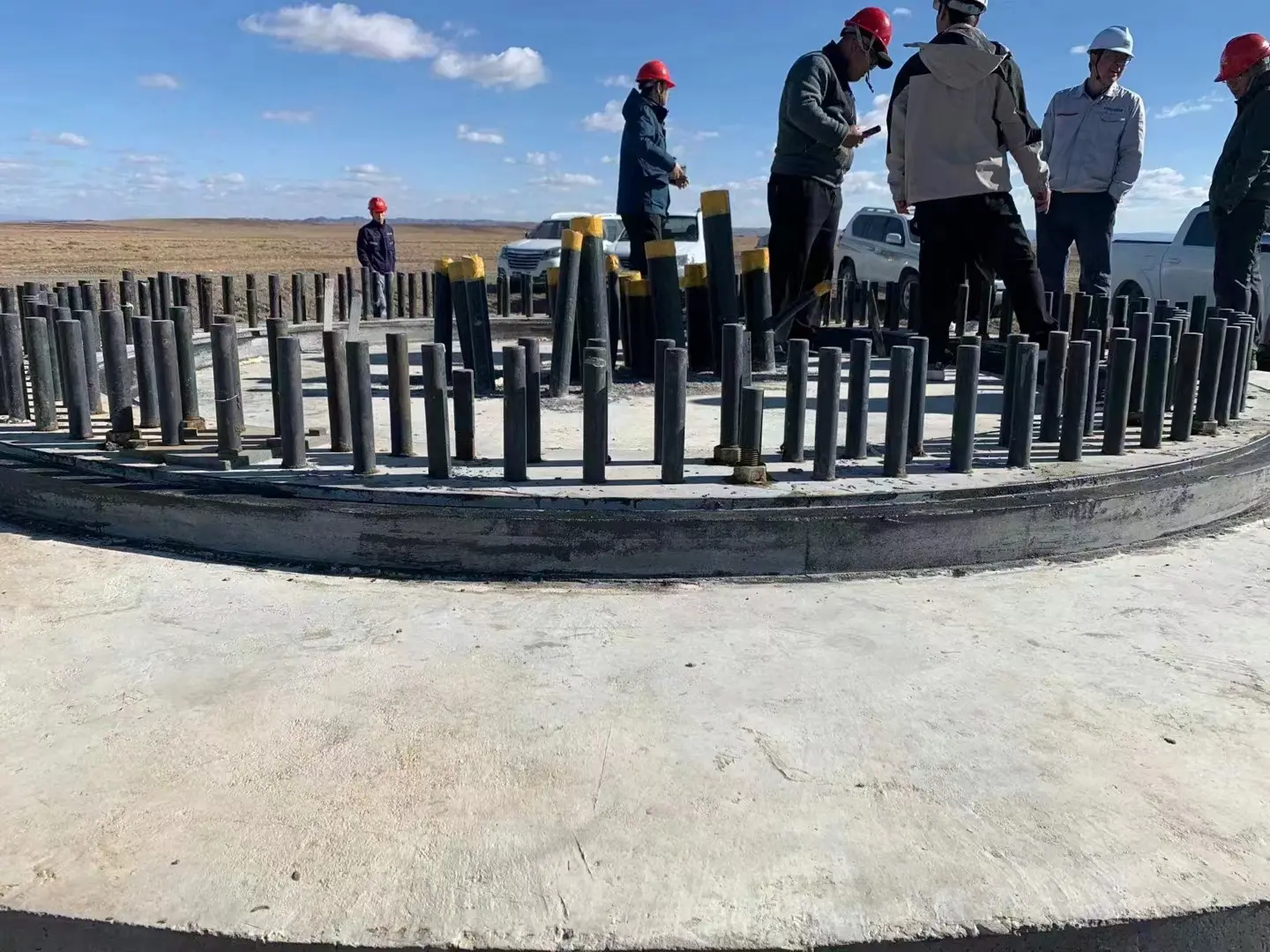
01Onshore foundation
Baseplate and anchor-cage grouting
High-flow, shrinkage-compensated cementitious grout selected by strength class, gap, volume, temperature and placement window.
Review the material route →
Wind energy material systems
Every material route is organized around the connection, load path, exposure and installation method so engineers, contractors and buyers can reach a defensible shortlist quickly.
Application architecture
Each route connects the engineering question to the most relevant product family, data evidence and site execution checks.
High-flow, shrinkage-compensated cementitious grout selected by strength class, gap, volume, temperature and placement window.
Review the material route →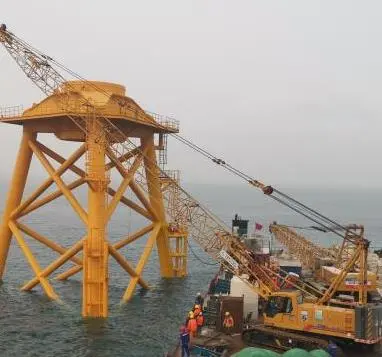
High-strength, high-modulus offshore wind grout selected around fatigue-sensitive load transfer, retained flow and the full pumping route.
Review the material route →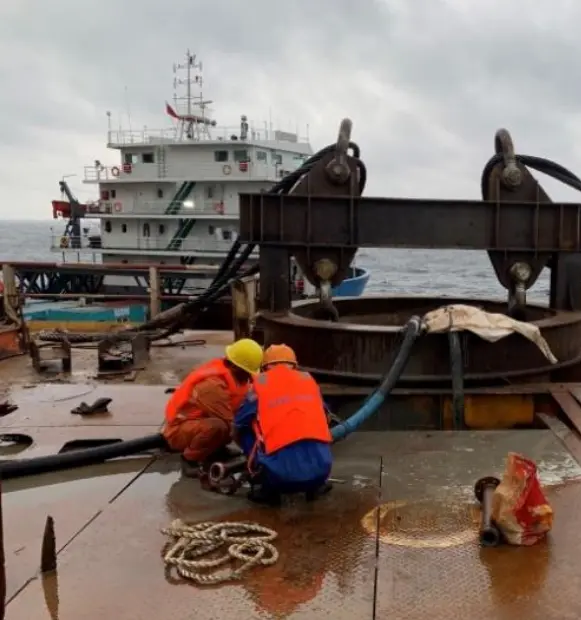
Anti-dispersion, infill or low-density routes selected around water exposure, buoyancy, cavity geometry, grout mass and installation duration.
Review the material route →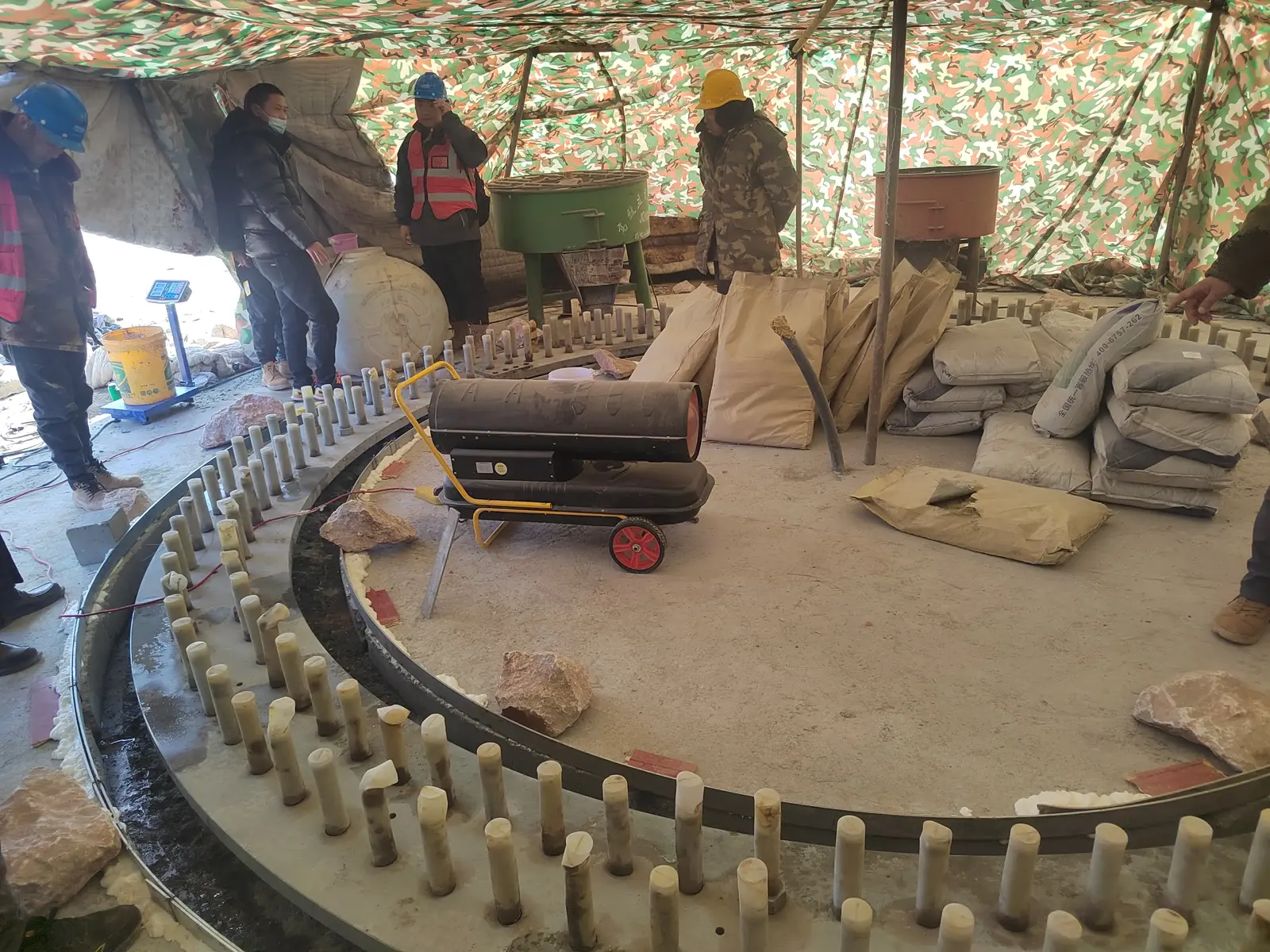
A material-conditioning, protected-placement and curing route based on measured temperatures and verified strength development.
Review the material route →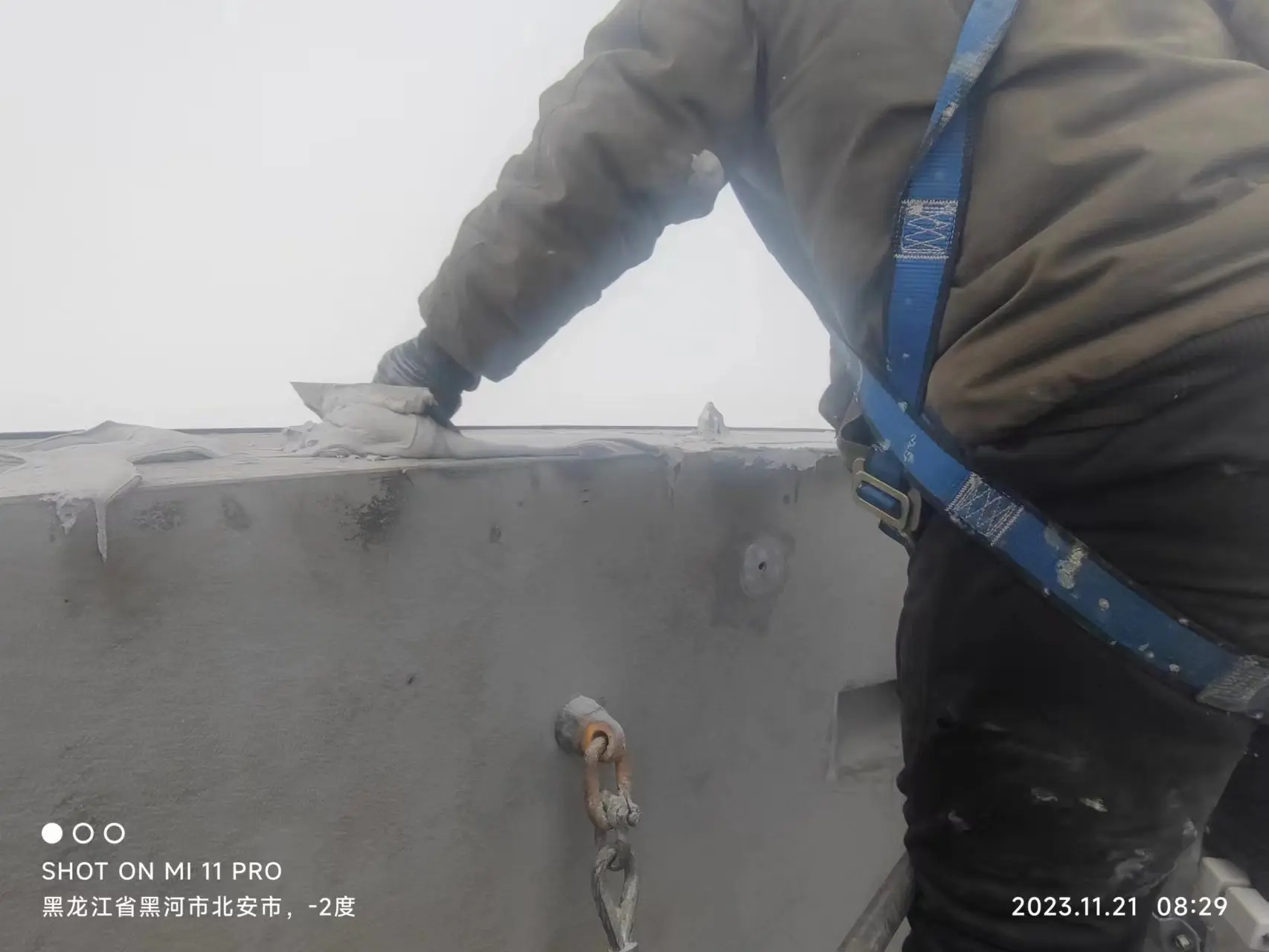
Structural epoxy and pressure grout coordinated with segment alignment, working time, joint thickness and duct quality control.
Review the material route →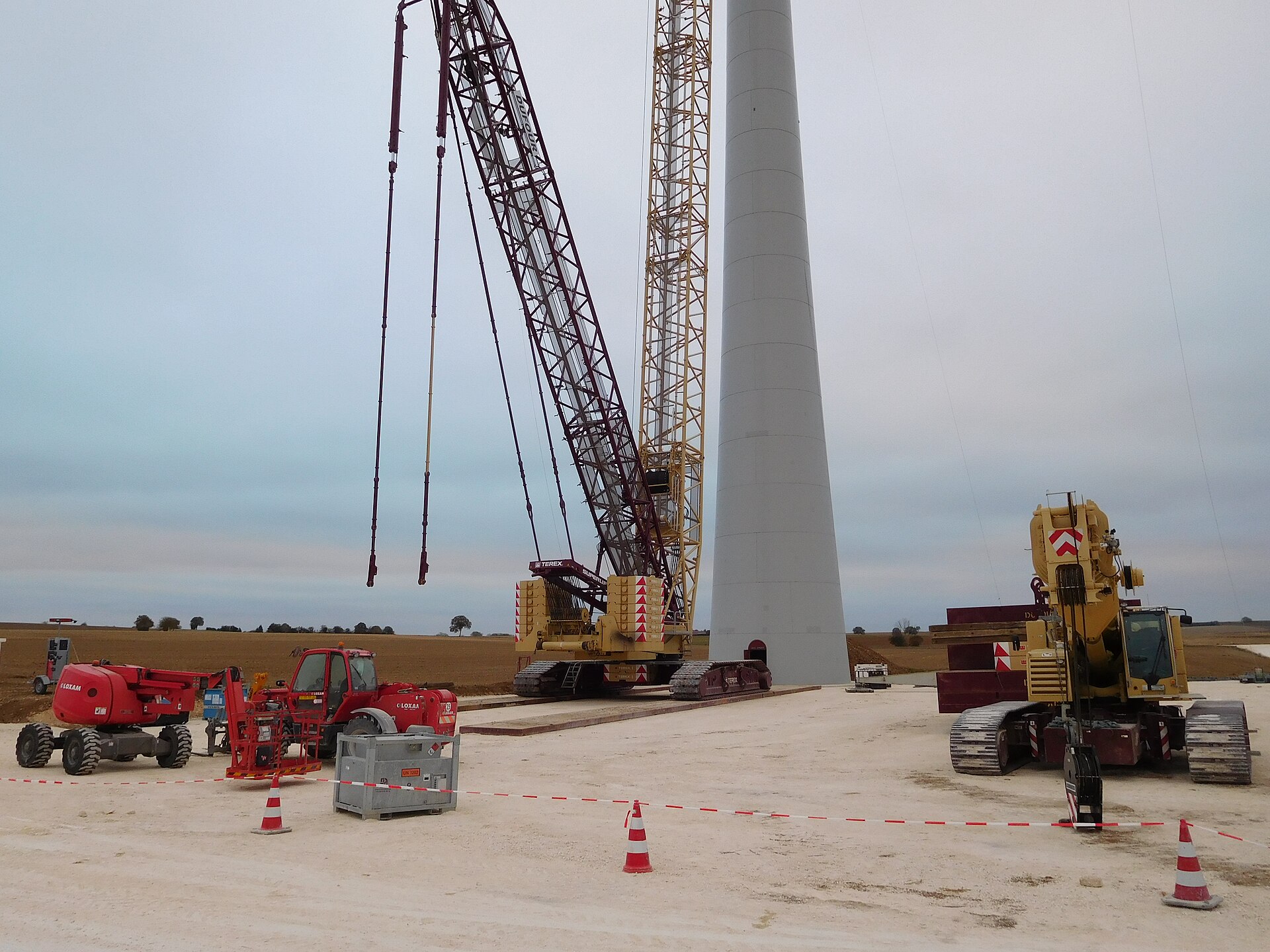
Thixotropic epoxy adhesive selected around bond-line thickness, application time, fatigue and environmental exposure.
Review the material route →Project workflow
This sequence gives project teams the information needed to make a choice, approve the method and preserve a usable quality record.
Drawing, joint type, gap, volume, standards, required ages, temperature and equipment.
Match the structure and installation constraints to a short list—not to one isolated value.
Review requirements, measured results, methods, curing conditions and data limitations.
Trial the mixing, pumping, placement, curing and contingency sequence.
Document water, batches, flow, temperature, samples, curing and acceptance results.
Application evidence
Photographs are used where they clarify the connection, equipment, temperature control or joint work—not as generic decoration.
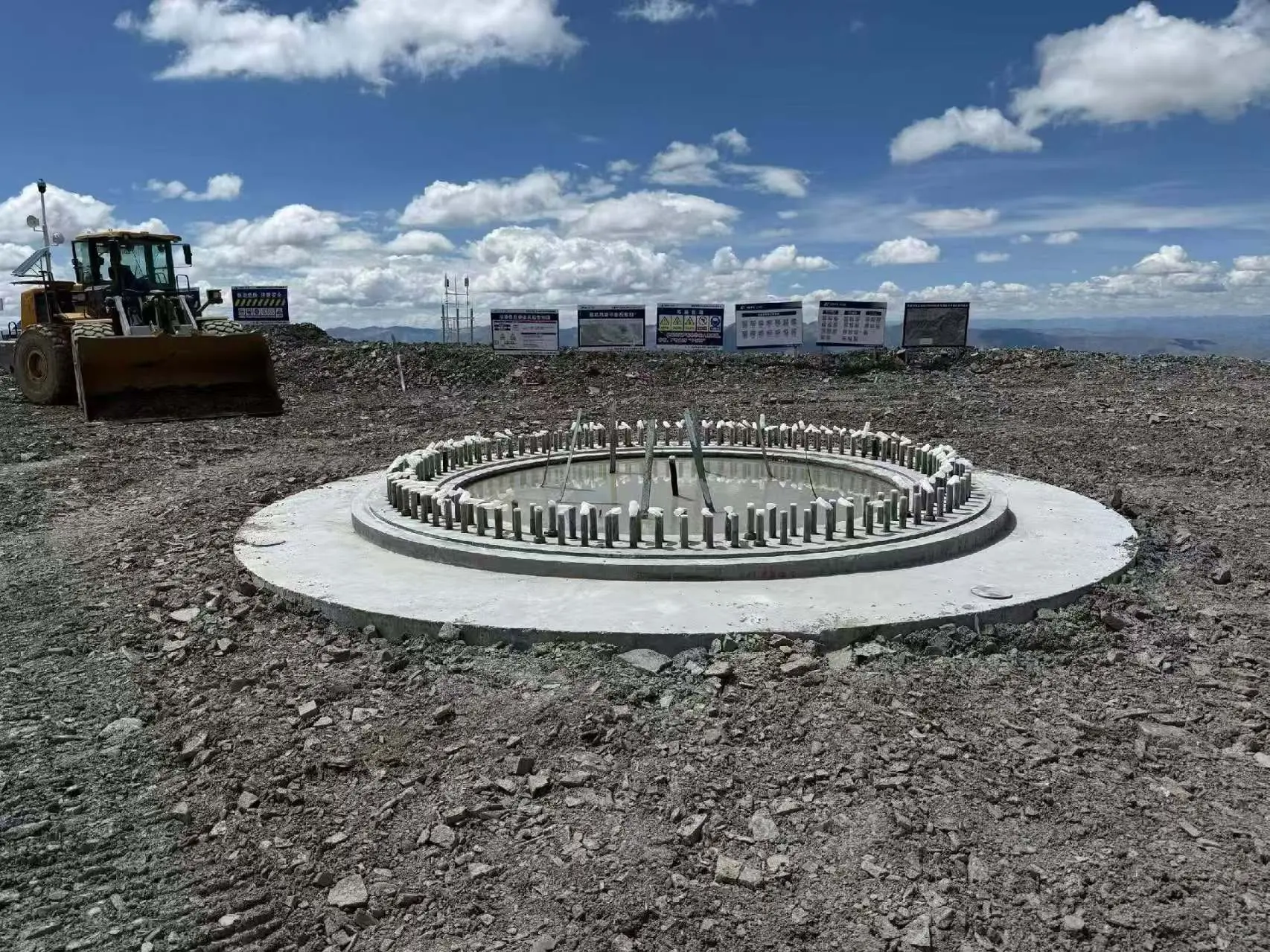 Onshore wind / load-transfer zone
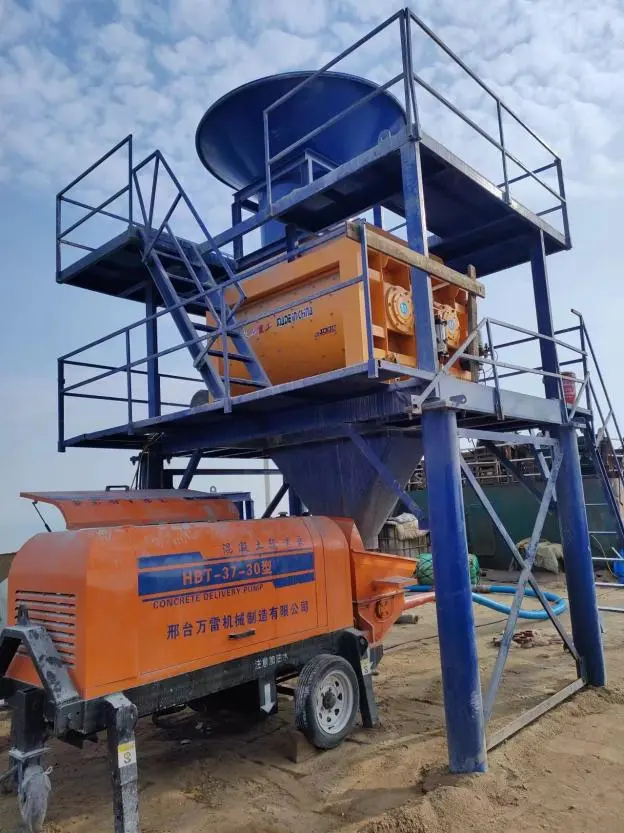 Offshore wind / full-scale grout trial
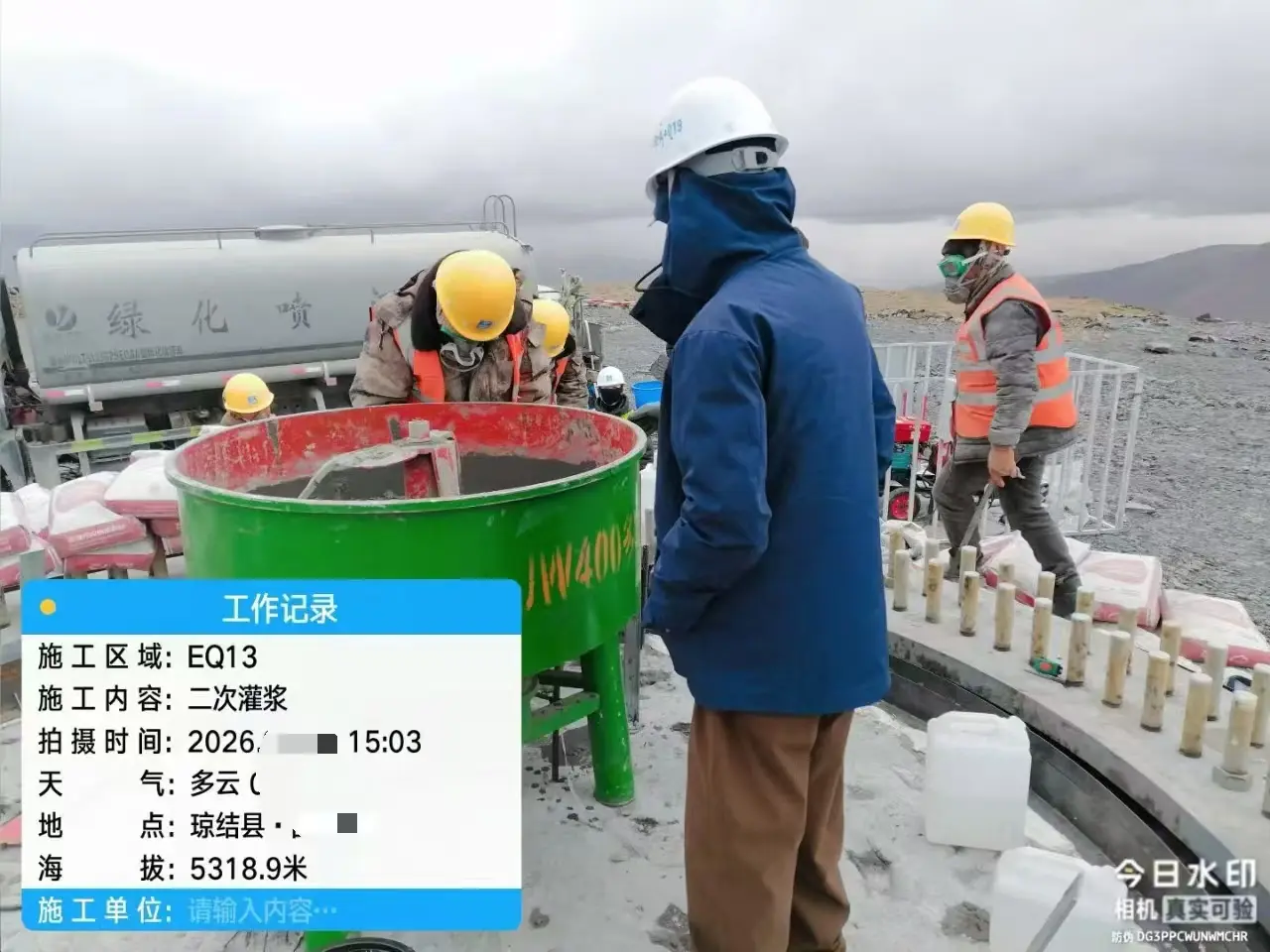 Wind foundation / site execution
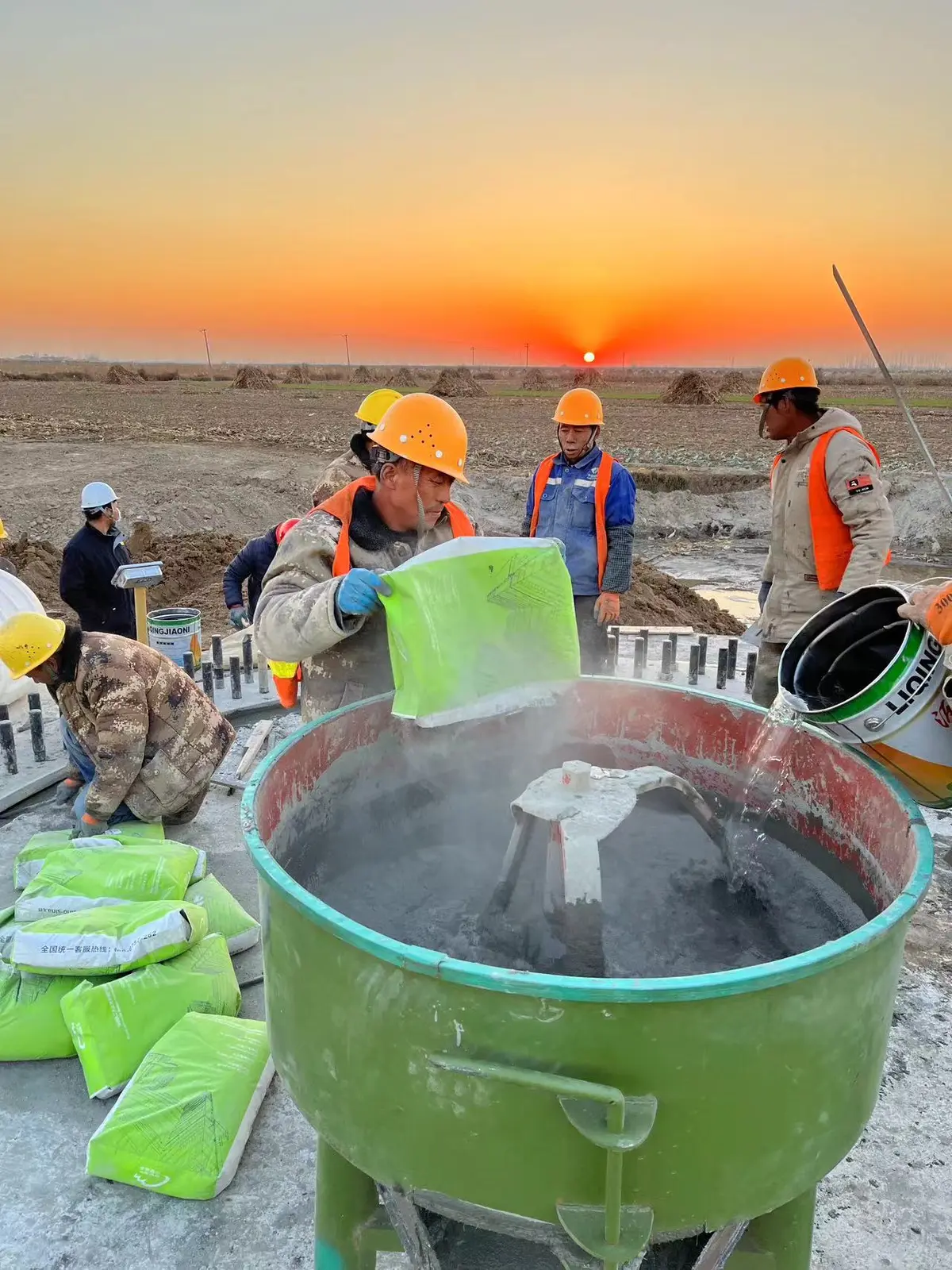 Cold climate / temperature-controlled installation
Technical enquiry
Include the wind structure and connection drawing, geometry or bond line, volume, specified performance, temperature, standards, installation window and equipment.